How Island Communities Are Leading Climate Resilience
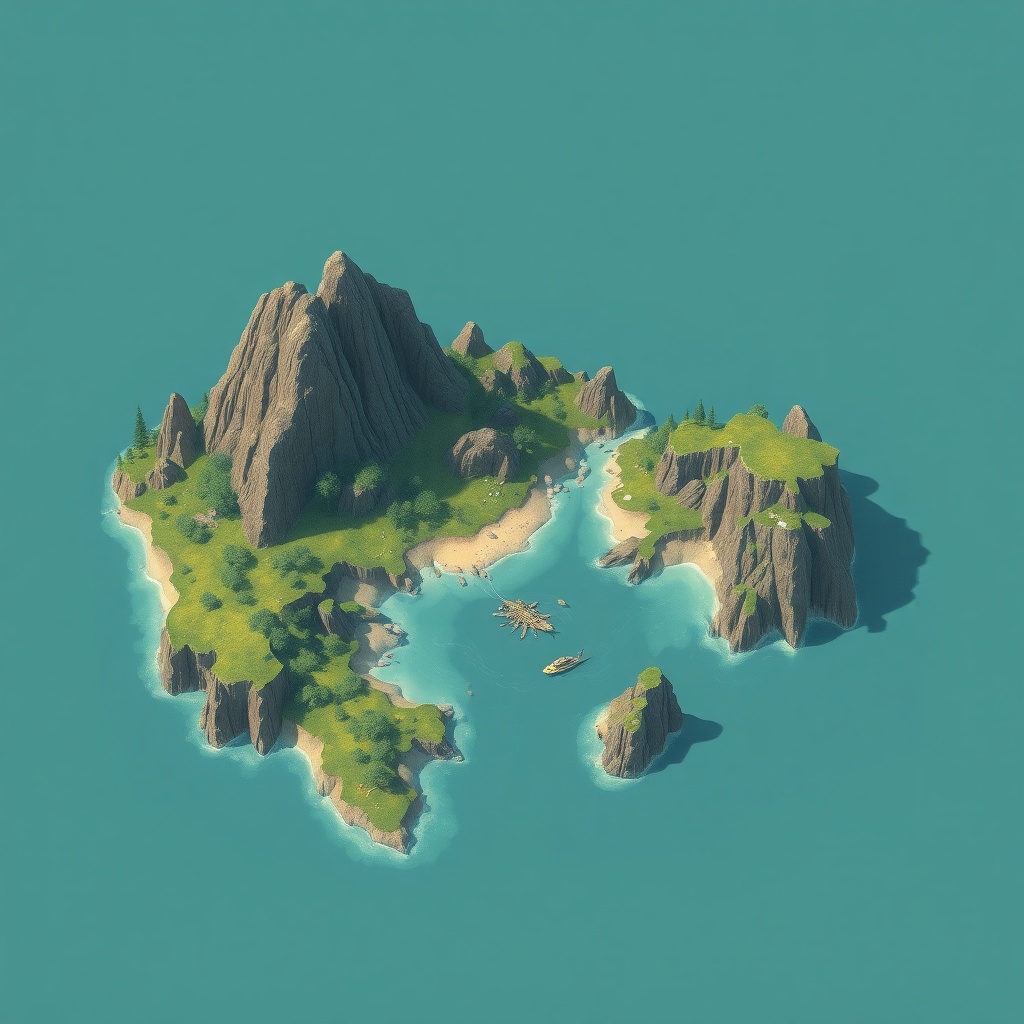
Islands hold a unique appeal: compact landscapes where ocean, culture, and nature meet. That same compactness makes islands especially vulnerable to environmental change, but also ideally suited for targeted solutions. Understanding island challenges and how communities respond offers lessons for resilient living, responsible travel, and effective conservation.
Why islands matter
Islands are biodiversity hotspots. Isolated ecosystems foster endemic plants and animals found nowhere else. Coral reefs, mangroves, and coastal wetlands provide critical habitat, protect shorelines, and support fisheries that sustain local livelihoods. At the same time, limited land area amplifies pressure from development, invasive species, pollution, and changing weather patterns.
Key threats facing islands
– Sea level rise and coastal erosion reduce habitable land and damage infrastructure.
– Coral bleaching and ocean acidification degrade reefs that buffer storm energy and support fisheries.
– Plastic pollution accumulates on remote beaches, harming wildlife and local economies reliant on tourism.
– Invasive species can quickly displace native flora and fauna on isolated islands.
– Freshwater scarcity challenges households and agriculture on smaller islands with limited aquifers.
How islands are adapting and leading
Island communities are often at the forefront of practical, scalable innovations:
– Nature-based solutions: Restoring mangroves and seagrass beds stabilizes shorelines, enhances biodiversity, and sequesters carbon. Living shorelines and artificial reef structures reduce wave energy while creating habitat.
– Renewable microgrids: Solar panels, wind turbines, and battery storage are increasingly deployed to reduce dependence on imported fossil fuels, lower energy costs, and increase resilience to grid disruptions.
– Sustainable freshwater systems: Rainwater harvesting, water-efficient irrigation, and energy-efficient desalination help address water scarcity without depleting fragile aquifers.
– Coral restoration and reef-safe practices: Coral gardening and larval propagation help rehabilitate degraded reefs. Public education campaigns encourage reef-safe sunscreen and responsible snorkeling practices to reduce physical damage.
– Waste management and circular economy: Local recycling initiatives, plastic reduction policies, and composting programs cut pollution and create green jobs. Some islands use bans or fees on single-use plastics with measurable reductions in beach litter.
Responsible travel tips for islands
Visitors can support island resilience simply by choosing mindful behaviors:
– Prioritize local businesses: Eat local food, hire local guides, and book accommodations that employ and source locally.
This keeps tourism benefits within the community.
– Reduce plastic use: Carry a reusable water bottle, shopping bag, and utensils. Avoid items that rely on single-use packaging.
– Respect wildlife and habitats: Stay on marked trails, avoid touching coral or disturbing nesting sites, and follow local wildlife viewing guidelines.
– Choose eco-certified operators: Look for lodges and tour companies with clear sustainability practices, such as energy efficiency, waste reduction, and community engagement.
– Offset and reduce travel emissions: Combine trips, stay longer, and support verified carbon offset programs when appropriate.
Supporting island futures
Long-term island resilience depends on a mix of local stewardship, supportive policy, and investment in sustainable infrastructure.
Whether through volunteer conservation work, responsible tourism choices, or advocacy for better waste and water management, individual actions add up.
Islands are small enough that collective effort can produce visible results—and their success offers scalable ideas for coastal resilience worldwide.
Islands encapsulate urgent environmental challenges and practical hope. By valuing local knowledge, supporting sustainable livelihoods, and practicing mindful travel, it’s possible to help preserve island ecosystems and cultures for generations to come.