Portugal: The Ultimate Guide to Remote Work, Sustainable Travel & Quality of Life
Portugal is drawing global attention as a destination that blends authentic culture, modern convenience, and forward-looking sustainability. Whether you’re a remote worker scouting a new base, a traveler seeking natural beauty and slow-paced exploration, or an investor looking at green opportunities, Portugal offers a compelling mix of what matters most today: quality of life, reliable infrastructure, and memorable experiences.
Why Portugal stands out
– Quality of life: Mild climate, walkable cities, and a strong emphasis on outdoor living make everyday life pleasant. Coastal towns, riverfront promenades, and urban parks encourage a healthier, more balanced routine.
– Connectivity and infrastructure: Fast internet, growing coworking networks, and international flight links make Portugal practical for remote professionals and digital nomads.
Public transit is efficient in major centers, and intercity trains provide scenic, relaxed travel.
– Safety and healthcare: Portugal is known for safety and accessible healthcare, which supports long stays and family relocation planning.
Top places to consider
– Lisbon: A vibrant capital mixing historic neighborhoods, creative hubs, and a lively gastronomy scene. Ideal for those who want urban energy with nearby beaches.
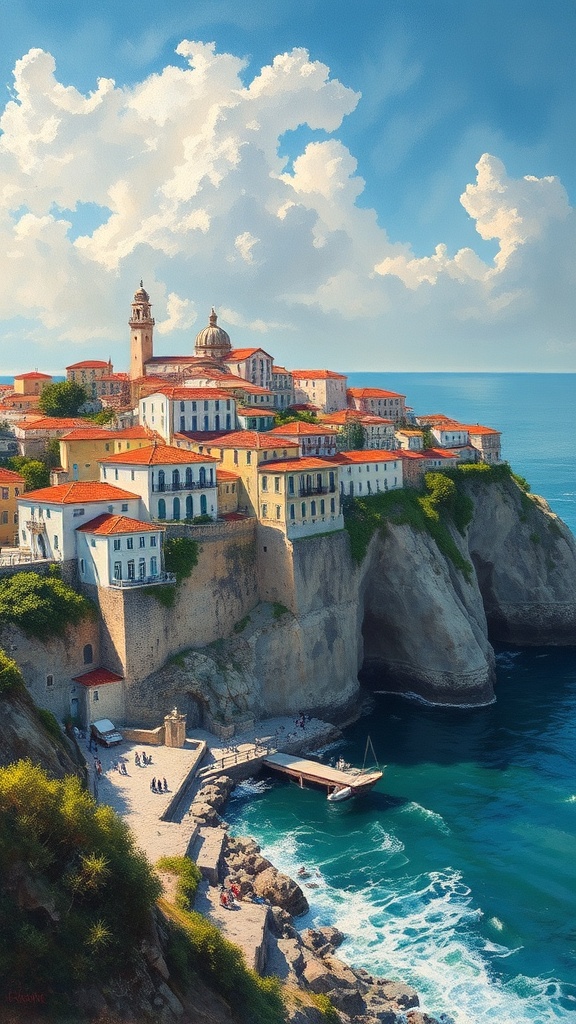
– Porto: Famous for its riverside charm, winemaking heritage, and a thriving creative scene. It’s compact, walkable, and increasingly popular with remote workers.
– Algarve: Sun-soaked beaches and a slower pace attract outdoor enthusiasts and families. Smaller towns offer more affordable long-term stays.
– Azores & Madeira: Islands that emphasize nature-based tourism and conservation. Perfect for hiking, whale watching, and regenerative travel experiences.
Sustainability and green innovation
Portugal has been pushing toward cleaner energy and sustainable tourism. Investments in wind and solar, experimental marine energy projects, and commitments to protect coastal ecosystems are shaping a greener economic mix.
Travelers will also find a growing number of eco-certified hotels, farm-to-table restaurants, and tour operators focused on low-impact activities, conservation, and community benefit.
Food, wine, and culture
Portuguese cuisine is regional and seasonal. Fresh seafood, hearty stews, and simple but delicious pastries are core attractions. Wine regions such as the Douro and Vinho Verde produce distinctive labels that pair beautifully with local dishes. Cultural life centers around festivals, neighborhood markets, and intimate Fado performances that give insight into Portuguese history and spirit.
Practical tips for visitors and long-stay planners
– Try local transport passes and regional train routes for cost-effective travel between cities.
– Explore coworking spaces and local meetups to build networks quickly.
– Learn a few basic phrases in Portuguese — locals appreciate the effort and it opens doors to deeper experiences.
– Respect regional differences: attitudes, food habits, and pace of life vary between the mainland and islands.
– Consider eco-friendly travel choices: sustainable lodging, responsible whale-watching operators, and low-impact outdoor activities.
Portugal’s blend of tradition and modernity makes it attractive for many kinds of stays: short vacations, slow travel itineraries, or extended remote work residencies. With accessible urban centers, thriving coastal landscapes, and a clear push toward sustainability, Portugal offers a lifestyle that’s both rooted in culture and tuned to contemporary priorities.
Whether you’re looking to explore, work, or invest, Portugal rewards curiosity and mindful travel with rich, lasting experiences.