Remote Work in Portugal: Best Cities, Visas, Costs & Lifestyle Guide
Portugal keeps drawing attention from remote workers, freelancers, and anyone seeking a high-quality, affordable European lifestyle. With sun-drenched coasts, vibrant cities, reliable internet and a relaxed pace, it’s easy to see why the country is a top choice for longer stays and permanent moves.
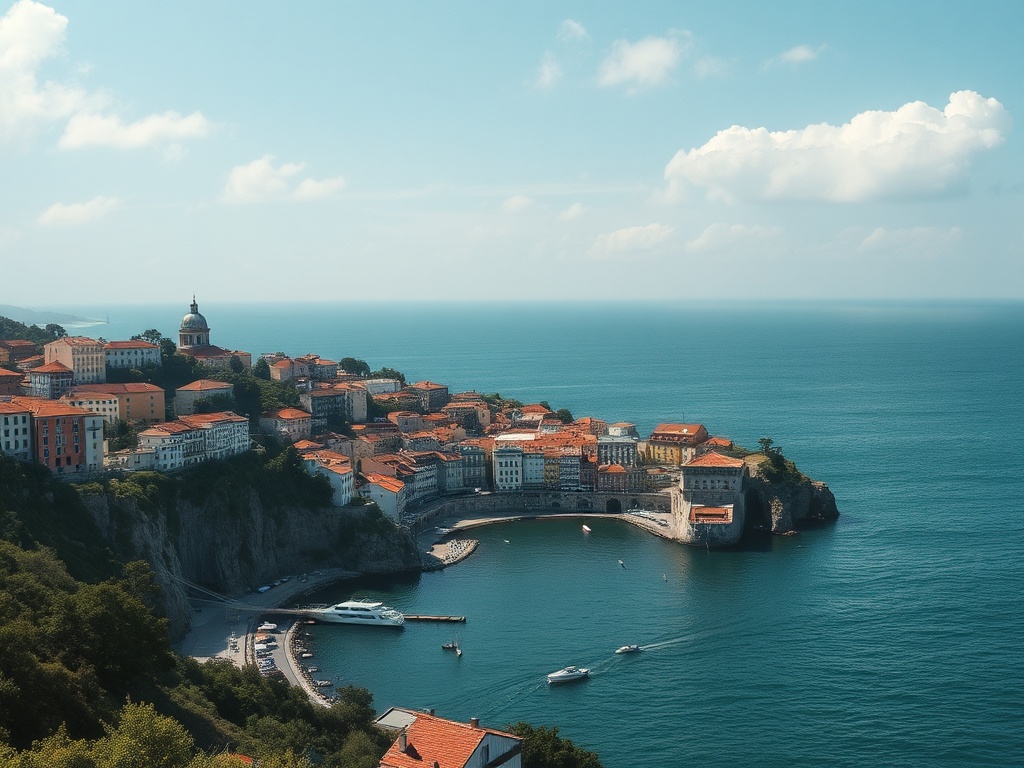
Why Portugal works for remote work
Portugal balances modern infrastructure with an easygoing lifestyle. Fast broadband and widespread mobile coverage make working from cafés, coworking spaces or holiday rental apartments straightforward. The climate is mild across much of the mainland and islands, so outdoor breaks and active weekends are part of daily life. Add world-class healthcare, strong public safety, and welcoming locals, and the result is a destination that supports productivity without sacrificing quality of life.
Best places to base yourself
– Lisbon: A cosmopolitan hub with diverse neighborhoods, numerous coworking spaces, lively cultural life and frequent international flights.
– Porto: Smaller and more affordable than the capital, with excellent food, riverside charm and a growing tech scene.
– Algarve (Faro and smaller towns): Ideal for beach lovers and those seeking sunshine, beaches and a relaxed pace.
– Madeira: A nature-rich island known for its mild climate, mountain scenery and communities that actively welcome long-term visitors.
– Azores: Remote and wild, perfect for nature-focused nomads who value trails, whale watching and lower tourist density.
Practical considerations
– Visas and residence: Portugal offers various pathways for longer stays including options designed for retirees, remote workers and investors.
Visa rules evolve, so consult official government resources or a qualified immigration advisor before planning a move.
– Cost of living: Overall costs are generally lower than in many Western European capitals. Accommodation costs vary widely by region—expect higher rents in major city centers and lower costs in smaller towns or islands.
– Housing: Short-term rentals abound, but for long stays explore monthly rentals or serviced apartments.
Booking a first few weeks of accommodation gives time to explore neighborhoods before committing.
– Connectivity and coworking: Major cities and tourist hubs are well served by coworking spaces and cafés with reliable Wi‑Fi. Co‑working memberships often include networking events useful for meeting local entrepreneurs and other remote workers.
– Healthcare and insurance: Portugal’s public healthcare system is reputable, and private options are widely available. International health insurance can bridge any gaps while sorting residency status.
– Taxes: There are tax regimes and incentives that may apply to newcomers, but tax law is complex. Seek professional tax advice tailored to your situation.
Lifestyle and leisure
Portugal rewards curiosity. Weekends can mean surf lessons, vineyard tours, coastal hikes, or exploring centuries-old towns and contemporary art scenes. The food culture is rich—fresh seafood, regional specialties and an emerging natural wine movement. Portuguese hospitality and a growing number of English-speaking services make settling in easier for many foreigners.
Getting started
Plan an exploratory visit, book flexible accommodation, and use local expat and digital nomad communities to gather practical tips. Whether seeking a bustling urban base or a tranquil island retreat, Portugal offers an adaptable, pleasant environment to work and live with plenty of opportunities to discover.