The Ultimate Portugal Guide for Travelers, Remote Workers, and Expats
Portugal blends sun-soaked coastline, vibrant cities, and a relaxed lifestyle that attracts travelers, remote workers, and investors alike. With compact distances, reliable infrastructure, and rich cultural offerings, the country offers an enviable balance of quality of life and opportunity.
Coastal charms and island escapes
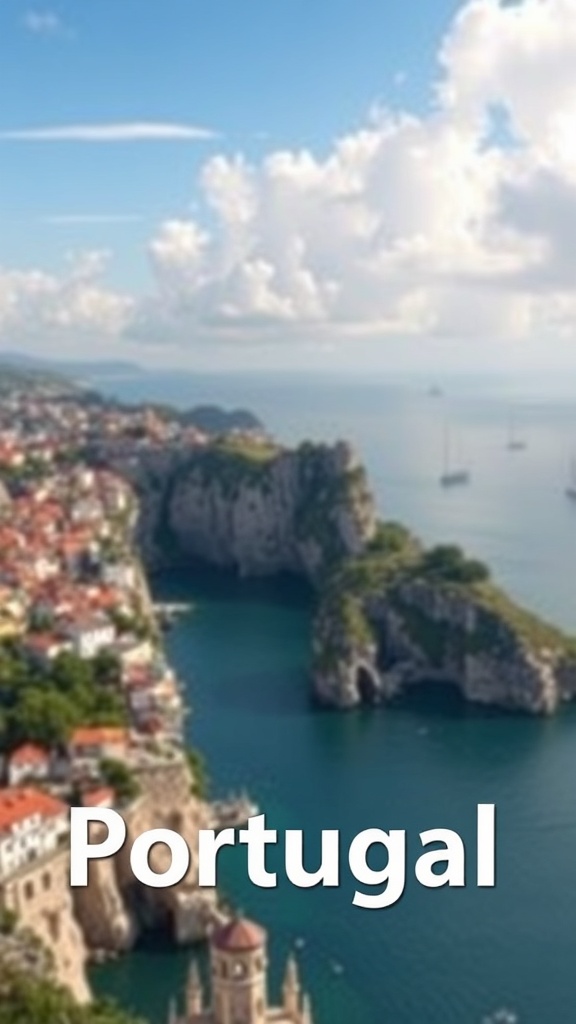
The Algarve’s golden beaches and dramatic cliffs remain a magnet for sun-seekers and surfers, while the western coast near Lisbon and Ericeira is a global surf hub with consistent breaks and a lively surf culture. For island lovers, Madeira offers lush hiking, microclimates, and botanical gardens, and the Azores present dramatic volcanic landscapes, whale watching, and a growing eco-tourism scene.
Cities with character
Lisbon combines historic neighborhoods, tram-lined streets, and a thriving tech and startup scene.
Neighborhoods like Alfama, Bairro Alto, and Belém showcase traditional Fado music, pastel de nata pastry shops, and pastel-colored tile facades. Porto, on the Douro River, pairs medieval architecture with a world-class wine culture—Port wine cellars and riverside Ribeira offer atmosphere and culinary delights. Smaller cities such as Coimbra and Évora provide slower rhythms, historic universities, and UNESCO-listed heritage.
Work and residency options
Portugal has become a popular base for remote workers and digital nomads thanks to favorable residency programs and high-quality internet connectivity across urban and many rural areas. Co-working spaces and community networks are well-established in major cities and popular remote-work hubs. Broadband and mobile coverage are reliable in built-up areas, and many cafés and hotels cater to laptop workers.
Food, wine, and local markets
Portuguese cuisine emphasizes fresh seafood, hearty stews, and regional specialties like bacalhau, cataplana, and bifana sandwiches. Markets such as Lisbon’s Time Out Market and Porto’s Mercado do Bolhão showcase local producers and are ideal for sampling seasonal flavors.
Portugal’s wine regions extend far beyond Port—Douro Valley, Alentejo, and Vinho Verde each deliver distinctive styles that pair perfectly with local dishes.
Green energy and sustainability
Portugal has invested heavily in renewable energy and sustainable tourism initiatives. Wind, solar, and hydroelectric projects contribute significantly to the national grid, and many hotels and tour operators are adopting eco-friendly practices. Travelers interested in responsible tourism will find numerous operators focused on low-impact activities such as hiking, birdwatching, and cultural immersion.
Practical tips for visitors and newcomers
– Transportation: Trains and buses connect major cities and towns; low-cost regional flights and ferries serve island routes.
Driving is straightforward, though narrow streets in old quarters can be challenging.
– Cost of living: Living costs are generally lower than in many Western European capitals, with variation between big cities and rural areas.
Dining out, groceries, and public transport remain affordable by international standards.
– Language: Portuguese is the national language, but English is widely understood in tourist areas and younger demographics.
Learning a few basic phrases enhances local interactions.
– Health and safety: Healthcare standards are high and municipal services are reliable. Portugal consistently ranks as one of the safer countries in Europe for residents and visitors.
Whether seeking urban vibrancy, coastal leisure, or an outdoor lifestyle steeped in culture and good food, Portugal offers compelling reasons to visit, work, or relocate.
Planning a trip or move with local research and community connections will help turn the dream of Portuguese life into a rewarding reality.