Island Resilience Strategies: Sustainable Tourism, Conservation and Climate Adaptation
Island resilience: balancing tourism, conservation, and climate adaptation
Islands capture the imagination: turquoise waters, unique wildlife, and cultures shaped by isolation. Yet small land area and geographic separation make islands especially vulnerable to environmental pressures and economic shifts. Addressing these challenges requires strategies that support local communities, protect biodiversity, and keep tourism sustainable.
Why islands matter
Islands harbor a disproportionate share of global biodiversity. Endemic plants and animals often exist nowhere else, and coastal ecosystems—mangroves, seagrass beds, and coral reefs—provide storm protection, fisheries, and carbon storage. Economies often depend heavily on tourism and fisheries, so environmental changes translate directly into social and economic risk.
Key threats to island systems
– Climate impacts: Sea-level rise, coastal erosion, and stronger storms increase flooding and saltwater intrusion into freshwater supplies.
Coral bleaching undermines reef-based fisheries and tourism.
– Habitat loss: Development, deforestation, and coastal reclamation reduce habitat for endemic species.
– Invasive species: Rats, feral cats, and invasive plants can devastate native flora and fauna on islands with no evolved defenses.
– Waste and pollution: Limited land area complicates solid waste management; marine debris affects beaches and wildlife.
– Economic vulnerability: Reliance on a narrow set of economic activities makes islands sensitive to global market shifts and travel disruptions.
Practical adaptation and conservation measures
– Nature-based solutions: Restoring mangroves, dunes, and seagrass beds increases natural coastal defenses and enhances fisheries.
These living systems absorb wave energy and stabilize sediments more cost-effectively than many hard infrastructure options.
– Coral reef protection and restoration: Reducing local stressors—nutrient runoff, overfishing, physical damage—gives reefs a better chance to recover. Active restoration and coral gardening can supplement protection efforts where feasible.
– Water resilience: Rainwater harvesting, groundwater recharge, and efficient irrigation reduce pressure on limited freshwater resources. Desalination can be part of a diversified supply when paired with renewable energy to limit emissions.
– Renewable microgrids: Solar and wind paired with battery storage reduce reliance on imported fuels, lower emissions, and improve energy security for remote communities.
– Biosecurity and invasive species control: Strict quarantine, early detection, and targeted eradication programs protect native ecosystems.
Community education helps reduce accidental introductions.
– Sustainable waste management: Reducing single-use plastics, expanding recycling and composting, and investing in safe waste disposal are essential given limited landfill space.
Sustainable tourism practices
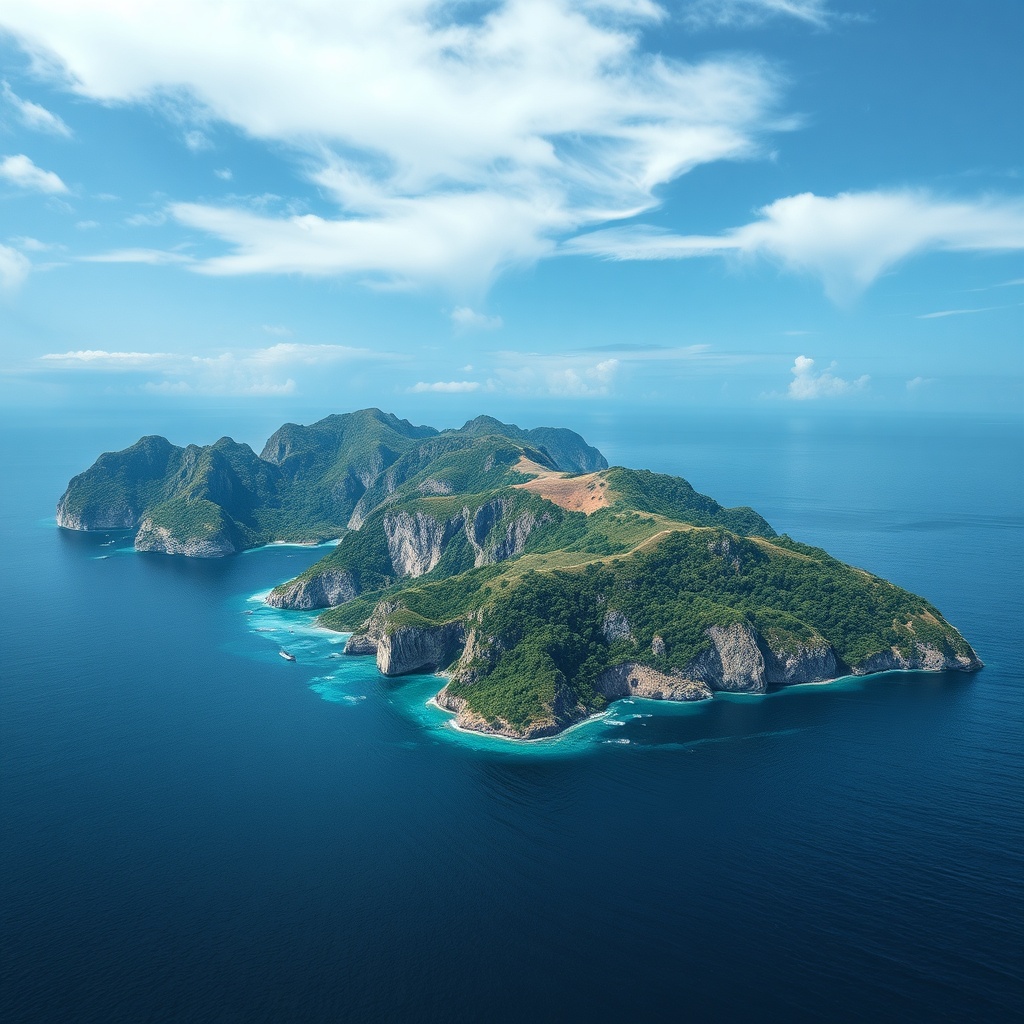
Tourism can support conservation and livelihoods when managed carefully. Strategies include capping visitor numbers in sensitive areas, encouraging off-peak visits, promoting low-impact activities (snorkeling with reef-friendly operators, guided nature walks), and ensuring tourism revenue benefits local communities.
Certification programs and local stewardship initiatives help travelers choose responsible operators.
Community leadership and financing
Local ownership of conservation and adaptation projects increases long-term success.
Innovative financing mechanisms—community trusts, payment for ecosystem services, and green bonds—can fund restoration and infrastructure. Partnerships between governments, NGOs, and private sector actors enable technical support and scale.
What travelers can do
Choose operators that prioritize conservation, follow local guidelines in protected areas, reduce plastic use, support local businesses, and learn about island cultures and conservation efforts. Responsible travel helps ensure islands remain vibrant places to live and visit.
Islands are frontline ecosystems of global change, but strong local stewardship, smart planning, and nature-based approaches can preserve their natural wealth and community resilience for generations to come.