Smarter, Greener Flying: A Passenger’s Guide to Sustainable Aviation and Practical Tips
Flying is evolving fast, and passengers can benefit by understanding the technologies, operational changes, and simple choices that reduce environmental impact and improve the travel experience.
Whether you fly occasionally or frequently, knowing what’s changing in aviation helps you make smarter, more sustainable decisions when booking and packing.
What’s changing in aviation
– Sustainable aviation fuels (SAF): Airlines are increasingly testing and using fuels produced from waste, agricultural residues, and other low-carbon feedstocks.
SAF can lower lifecycle carbon emissions compared with conventional jet fuel when produced and sourced responsibly.
– Cleaner aircraft and operations: Newer jet designs and lightweight materials, plus engine efficiency improvements, help reduce fuel burn. Operational practices like continuous descent approaches, single-engine taxiing, and weight-reduction programs also cut emissions and often improve punctuality.
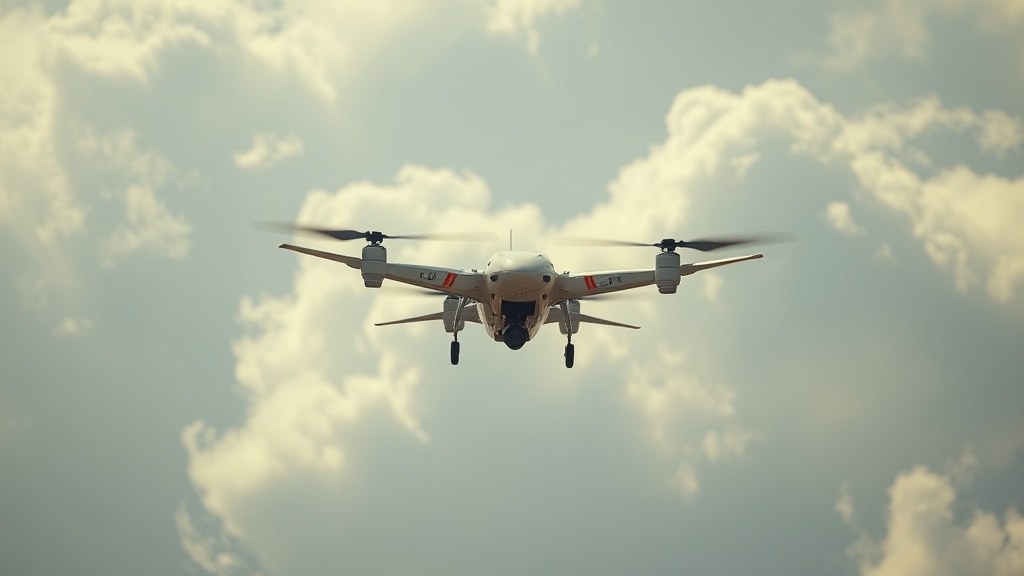
– Electric and hybrid propulsion: Short-haul electric and hybrid aircraft are progressing through certification and trial stages for regional routes and pilot projects. These aircraft promise quieter operations and much lower emissions on short sectors.
– Urban air mobility: Electric vertical takeoff and landing (eVTOL) vehicles are being developed for short urban hops and airport transfers, aiming to reduce road congestion and offer faster connections in dense areas.
Why it matters to passengers
Flying remains one of the safest modes of transport, and many industry shifts are focused on sustainability rather than compromising safety or convenience.
Understanding the options available lets travelers reduce their carbon footprint and sometimes save money or time.
Practical tips for smarter, greener flying
– Choose non-stop flights when possible: Takeoffs and landings are the most fuel-intensive phases of flight, so direct routes tend to have a smaller per-passenger footprint than itineraries with multiple connections.
– Pack lighter and smarter: Lighter aircraft means less fuel burned. Bring only what you need, use compressible luggage, and consider sharing checked items for group travel.
– Consider airline sustainability programs: Many carriers now offer the option to purchase tickets partially powered by SAF or to contribute to verified emissions reduction programs. Look for transparent reporting and credible third-party verification.
– Favor airlines using newer aircraft: New-generation jets and retrofitted fleets typically consume less fuel per seat. When booking, airline fleet information and aircraft age can be useful decision points.
– Offset wisely: If you choose to offset emissions, select reputable programs that fund high-integrity projects with verifiable outcomes. Avoid generic credits without transparent reporting.
– Use airport transfer alternatives: Train or shuttle connections to airports can reduce last-mile emissions compared with private car or taxi travel.
– Support policy and infrastructure: Backing local and national policies that expand SAF production, airport electrification, and public transport access makes long-term improvements possible.
What to watch for next
Passengers should watch for expanded SAF availability at more airports, broader deployment of electric and hybrid short-haul aircraft, and practical eVTOL services for urban transfers. As infrastructure grows, more flight options will become both greener and more convenient.
Small choices add up. By prioritizing direct routes, lighter packing, credible sustainability options, and airlines investing in cleaner technologies, travelers can reduce their environmental impact and enjoy a smoother flying experience. These changes are making aviation more responsible while preserving the speed and connectivity that make flying indispensable.