Sustainable Travel in Portugal: How to Explore Lisbon, Porto, the Douro & the Islands Responsibly
Sustainable travel in Portugal: how to experience the country responsibly
Portugal has become a go-to destination for travelers who want beautiful coastlines, historic cities, vibrant food scenes, and a growing commitment to sustainable tourism. Whether you’re drawn to Lisbon’s trams, Porto’s riverfront, the terraced vineyards of the Douro, or the wild Azores and Madeira archipelagos, there are plenty of ways to explore while minimizing your footprint and supporting local communities.
Why choose sustainable travel in Portugal
Portugal is investing in renewable energy and community-led projects, and many regions are prioritizing conservation and regenerative tourism. Choosing sustainable options helps protect delicate coastal ecosystems, preserve cultural heritage in historic neighborhoods, and support small businesses that keep local traditions alive.
How to travel more sustainably
– Favor public transport and active travel: Portugal’s rail and bus networks connect major cities and many smaller towns. In cities, trams, trens urbanos, and bike-share systems make short trips simple and eco-friendly.
Walking is often the best way to discover narrow streets and hidden cafés.
– Pick low-impact accommodation: Look for eco-lodges, family-run quintas, and hotels with green certifications or clear sustainability policies.
Many rural guesthouses practice water conservation, composting, and use locally sourced food.
– Support small businesses: Eat at neighborhood tasquinhas (small eateries) and buy craft products from local artisans rather than mass-market souvenirs. This keeps tourism revenue within communities and sustains traditional crafts.
– Choose responsible activities: Opt for guided nature walks, regulated whale- and dolphin-watching tours, and surf schools that follow local environmental guidelines. Avoid activities that disturb wildlife or rely on single-use plastics.
Regions leading the way
– Lisbon and Porto: These cultural hubs have expanded cycling lanes, electric transport options, and a growing number of sustainable restaurants.
Look for zero-waste cafés and markets that feature regional producers.
– The Douro Valley: Vineyards are increasingly adopting organic and biodynamic practices.
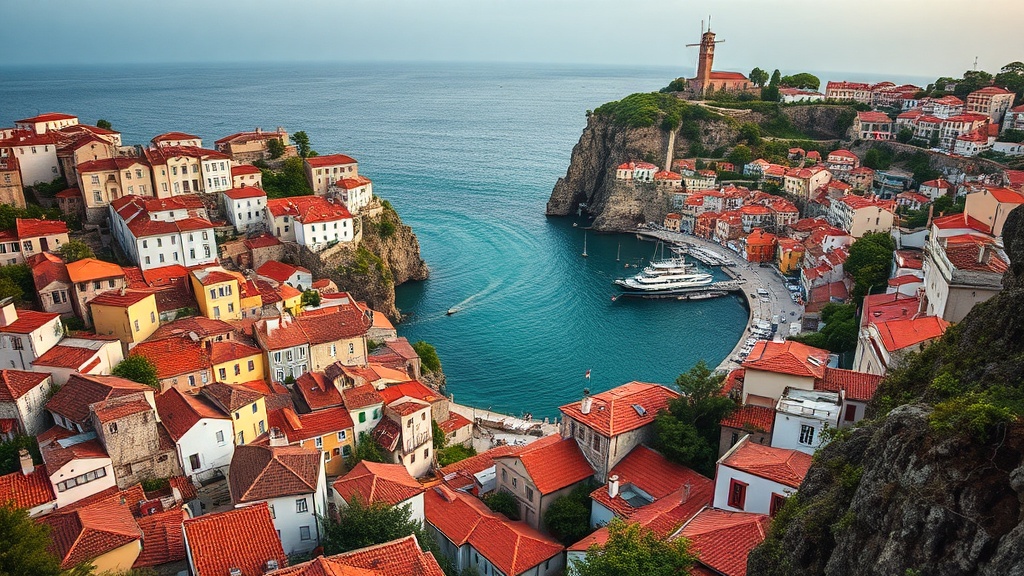
Visiting a quinta for a tasting can be both educational and supportive of small-scale producers.
– The Azores and Madeira: Known for ecotourism, these islands emphasize conservation, low-impact whale watching, and trails that reveal volcanic landscapes. Many operators combine scientific knowledge with sustainable practices to protect biodiversity.
– The Algarve and surf reserves: Coastal communities balance surf tourism with dune restoration and marine protection programs. Smaller seaside towns offer quieter, more sustainable alternatives to busy resort centers.
Practical tips for responsible visitors
– Minimize single-use plastics by carrying a reusable water bottle and shopping bag.
– Learn a few Portuguese phrases—locals appreciate the effort and it fosters better interactions.
– Respect local customs, dress codes in religious sites, and signage in protected areas.
– Book tours and guides who demonstrate local stewardship—this often results in richer experiences and better conservation outcomes.
Travel that gives back
Sustainable travel in Portugal isn’t just about reducing harm; it’s about creating positive impacts. Seek out experiences that fund community projects, preserve cultural landscapes, or employ local residents. A mindful trip can introduce you to the real Portugal—the one with lively neighborhood markets, family-run vineyards, and coastal paths that reveal dramatic sea views—while helping those places thrive for future visitors.