Why Move to Portugal? Remote Work, Cost of Living & Where to Live
Portugal keeps drawing attention as one of Europe’s most attractive places to live, work, and travel — and for good reasons. From sun-soaked coastlines to lively cities, reliable infrastructure, and welcoming communities, it’s easy to see why remote workers, families, and culture seekers are making Portugal a top choice.
Why people choose Portugal
– Climate and lifestyle: Mild winters and long, sunny summers suit outdoor living.
Coastal towns and islands offer an active lifestyle—surfing, hiking, cycling, and al fresco dining are everyday options.
– Quality of life: Cities balance modern amenities with relaxed pace. Strong healthcare options include public services and a wide network of private clinics.
– Culture and cuisine: Historic neighborhoods, Fado music, azulejo tilework, and a vibrant food scene rooted in fresh seafood and regional specialties make daily life rich and unexpected.
– Safety and accessibility: Portugal ranks well for safety, and international airports in Lisbon, Porto, and Faro provide easy European and transatlantic connections.
Remote work and residency options
Portugal offers flexible pathways that suit different needs. Long-stay residency options popular with remote workers include a passive-income route that targets retirees, freelancers, and digital nomads, and a dedicated remote-work visa designed specifically for people with employment or freelance contracts based elsewhere. Recent policy adjustments have also shifted investment-based residency toward interior regions, which can create new opportunities for those willing to explore beyond major cities.
Cost of living and housing
Overall costs can be lower than many Western European capitals, though prices vary widely between urban hubs and rural or island locations.
Lisbon and Porto are more expensive but offer broad cultural, social, and career opportunities. Coastal and inland towns, as well as the islands, often provide more affordable rent and real estate, with a quieter pace and strong local communities.
Connectivity and coworking
High-speed fiber and widespread mobile coverage make working online reliable across much of the country.
Major cities and tourist hubs have plentiful coworking spaces, networking events, and tech meetups. Island hubs like Madeira and the Azores have cultivated digital-nomad communities and coworking setups that blend professional needs with nature-focused living.
Food, wine, and social life
Portugal’s culinary identity is a major draw. Fresh fish, regional cheeses, hearty stews, and world-class pastries are everyday pleasures. Wine regions nearby produce everything from crisp Vinho Verde to robust reds and iconic fortified wines. Social life tends to be neighborhood-focused: friendly cafés, lively markets, and community festivals make it easy to meet people.
Practical tips for newcomers
– Get a NIF: A tax identification number is essential for opening a bank account, signing leases, or starting utilities.
– Consider health coverage: Register with local health services where eligible, and weigh supplemental private insurance for faster access to specialists.
– Explore beyond capitals: Towns and islands can offer better value and a different quality of life—try them before deciding where to settle.
– Learn some Portuguese: Even basic phrases go a long way for daily interactions and integration.
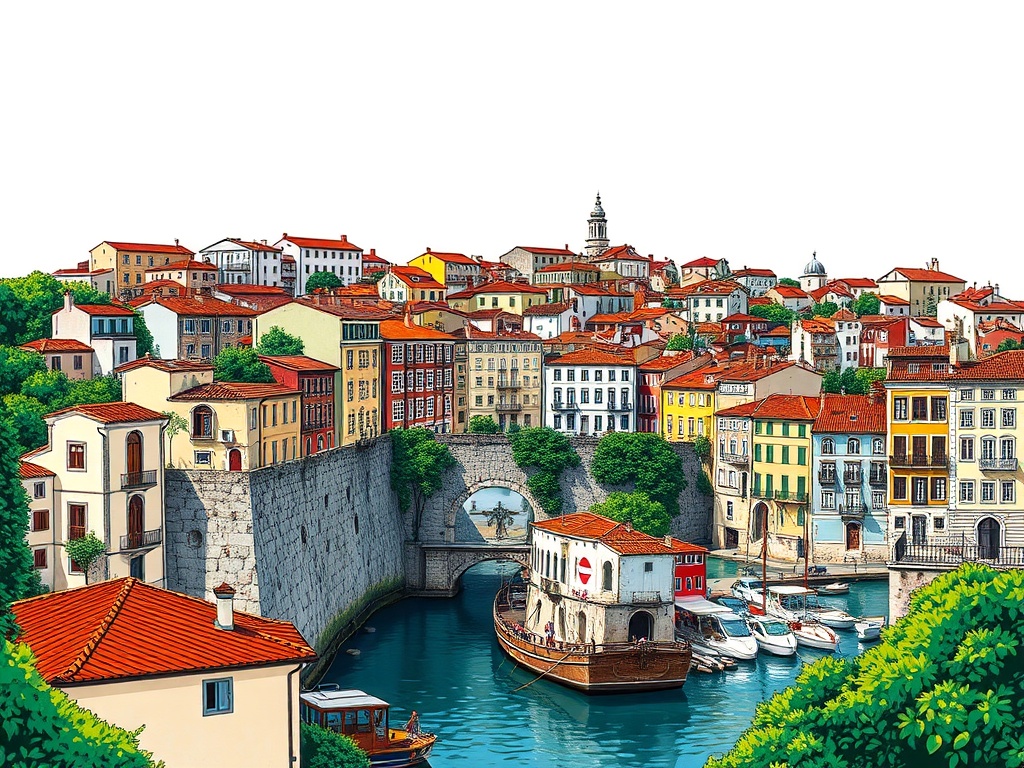
Portugal is appealing for anyone seeking a balance between modern conveniences and a slower, more culturally rich way of life. Whether you’re planning a month-long working getaway, scouting long-term residency, or just dreaming of a seaside base, Portugal’s mix of reliable infrastructure, vibrant culture, and welcoming communities makes it worth serious consideration.